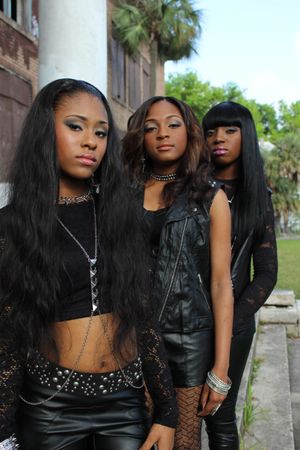

GUDGUD Artist Development Case Study
Building Group Chemistry, Stage Experience and a Sustainable Artist Identity
Project Overview
GUDGUD began in Jacksonville, Florida, in 2013 as an ambitious artist-development experiment created by music entrepreneurs Michael Butler and Richard Johnson.
The objective was to build a teenage recording group capable of combining the familiar energy of classic R&B and pop groups with a sound that felt fresh, edgy and relevant to a younger audience. Just as importantly, the group’s music and public image would promote confidence, ambition and positivity.
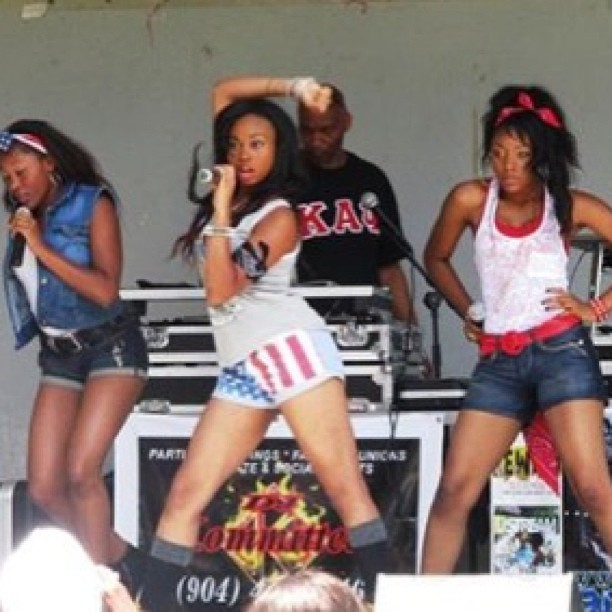
What was initially planned as a six-month experiment became a multiyear artist-development journey involving several lineup changes, original music releases, regional touring, television appearances, radio airplay and performances alongside nationally recognized artists.
GUDGUD ultimately became an important case study in one of the most difficult areas of artist development: turning talented individuals into a unified group.
The Development Challenge
The earliest versions of GUDGUD quickly generated attention in Jacksonville. The members were talented, motivated and capable of performing. However, the individual personalities and working styles did not consistently connect.
The central problem was not a lack of talent.
It was a lack of chemistry.
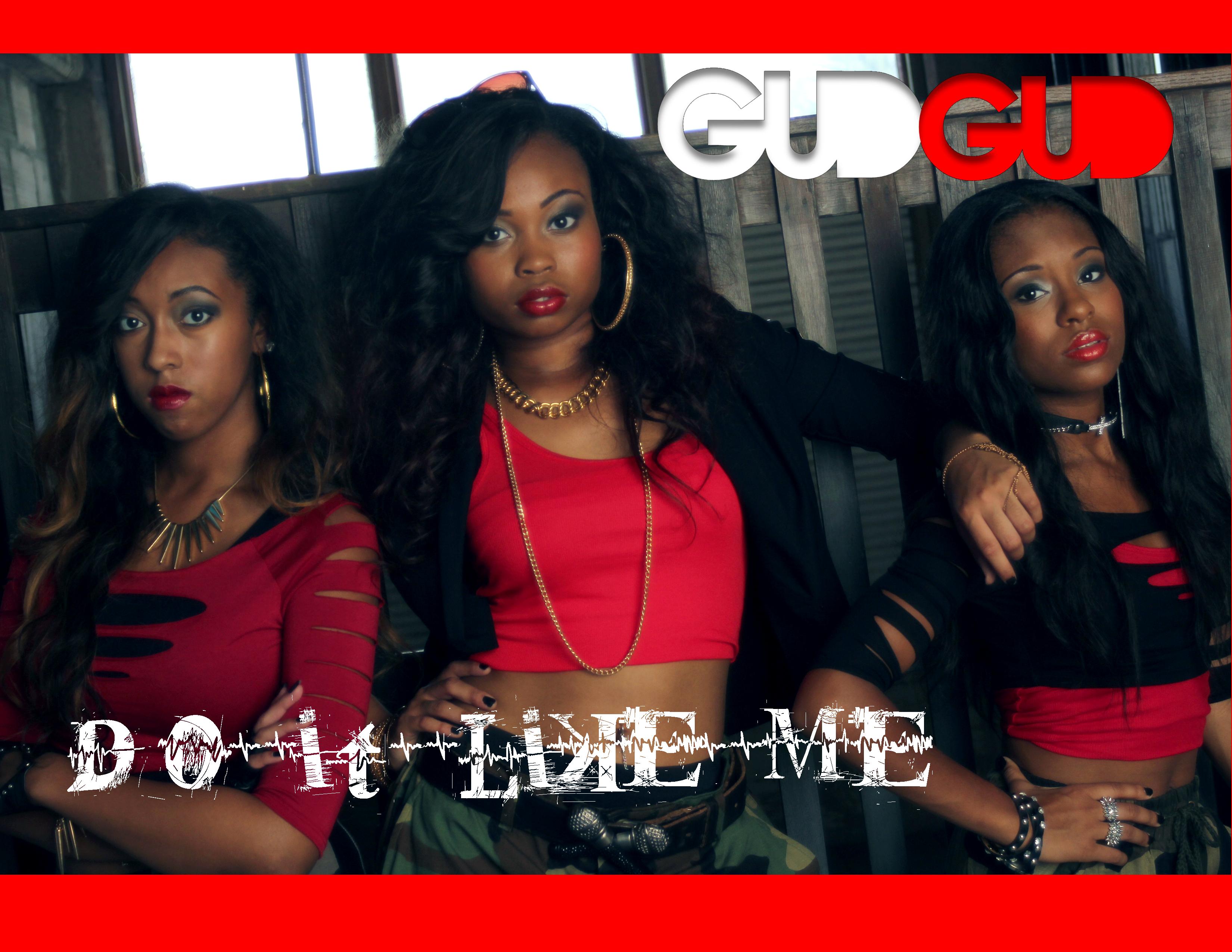
A group can have strong singers, dancers and performers and still struggle to function as a team. Successful groups must learn how to communicate, resolve conflict, share attention and place the success of the group above individual recognition.
Without those qualities, small disagreements can become major distractions. Rehearsals become less productive, performances become inconsistent and the audience begins to see individuals standing together rather than a complete act.
The early GUDGUD lineups demonstrated an important artist-development lesson:
Talent may attract attention, but chemistry determines whether a group can grow.
The Artist-Development Strategy
Instead of abandoning the project when the original lineup did not work, the development team treated each challenge as information.
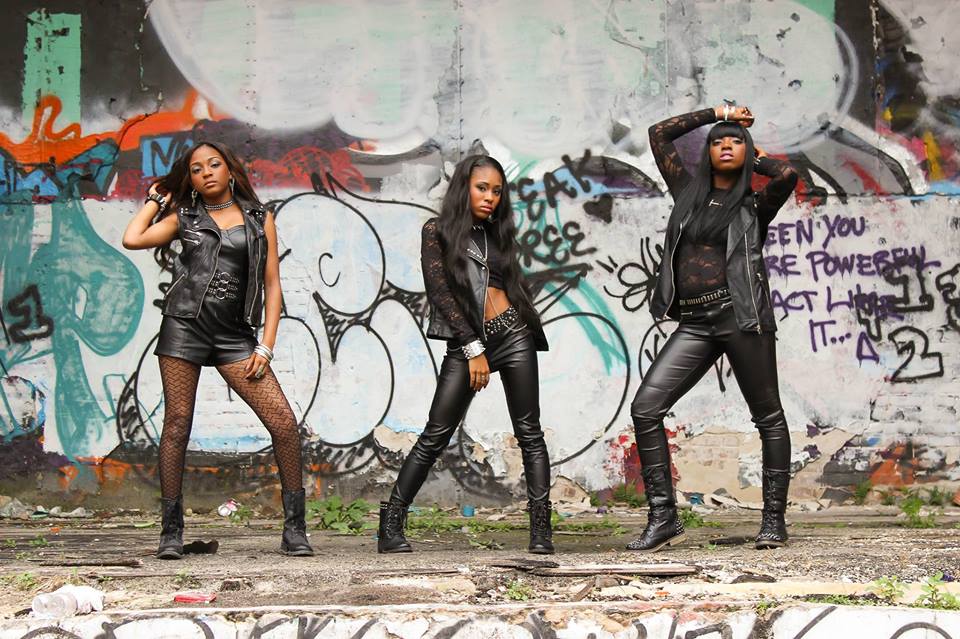
The group went through several membership changes as Butler and Johnson searched for performers who possessed more than musical and performance ability. New members also needed discipline, coachability, reliability and the ability to work within a team.
The development process focused on five major areas:
1. Finding the Right Group Chemistry
Potential members were evaluated not only for their individual talent, but also for how they interacted with the other performers.
The goal was to identify members who could complement one another instead of competing for control or attention. This required evaluating personalities, communication styles, work habits and commitment levels.
2. Developing the Live Show
GUDGUD was built to be more than a recording project. The group needed to become a strong live act.
Members were trained to understand:
- Stage presence and movement
- Audience engagement
- Choreography and visual presentation
- Facial expression and emotional communication
- Performance energy
- Microphone technique
- Transitions between songs
- Professional rehearsal habits
The group learned that knowing the songs was only the beginning. A successful performance required intention, preparation and the ability to make the audience feel connected to the music.
3. Building Professional Discipline
The members were expected to approach rehearsals, recording sessions, media appearances and live performances as professionals.
They had to learn how to arrive prepared, accept feedback, make corrections and remain focused even when the development process became difficult.
This professional foundation helped prepare the group for larger stages and opportunities alongside established recording artists.
4. Creating a Positive Artist Identity
GUDGUD was designed to communicate a positive message without losing the energy and attitude expected from a contemporary teenage group.
The members were encouraged to represent confidence, creativity and ambition while remaining relatable to their peers.
Their public identity extended beyond music. The group spoke to students in schools and supported music and arts education through the I Love Music Foundation.
5. Gaining Real-World Performance Experience
The development team understood that performers cannot become great by rehearsing alone.
GUDGUD was placed in front of real audiences as often as possible. Each performance became an opportunity to evaluate what worked, identify weaknesses and improve the next show.
This consistent stage experience helped the members develop confidence, adaptability and a better understanding of how to command different types of audiences.
The Breakthrough Lineup: GUDGUD Version 4.0
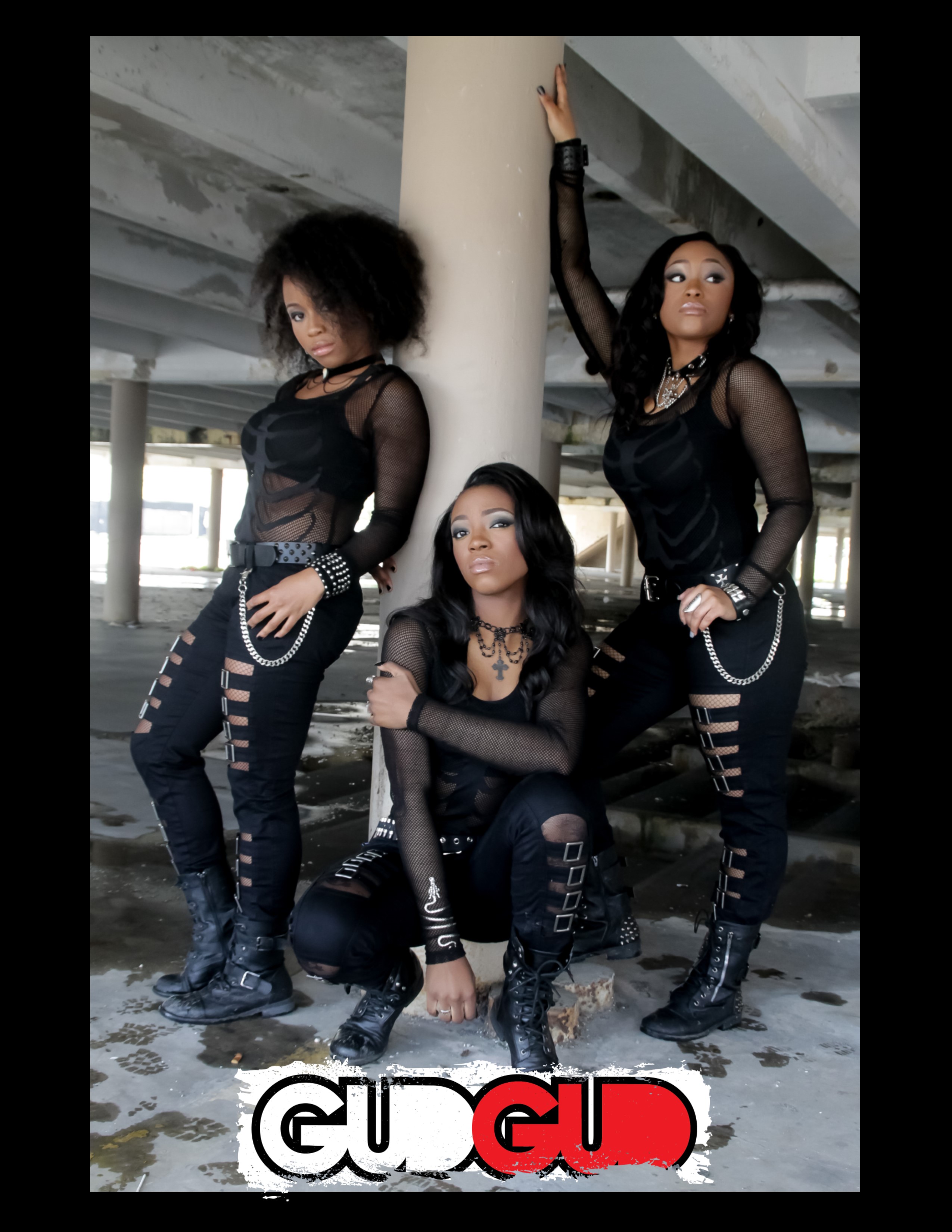
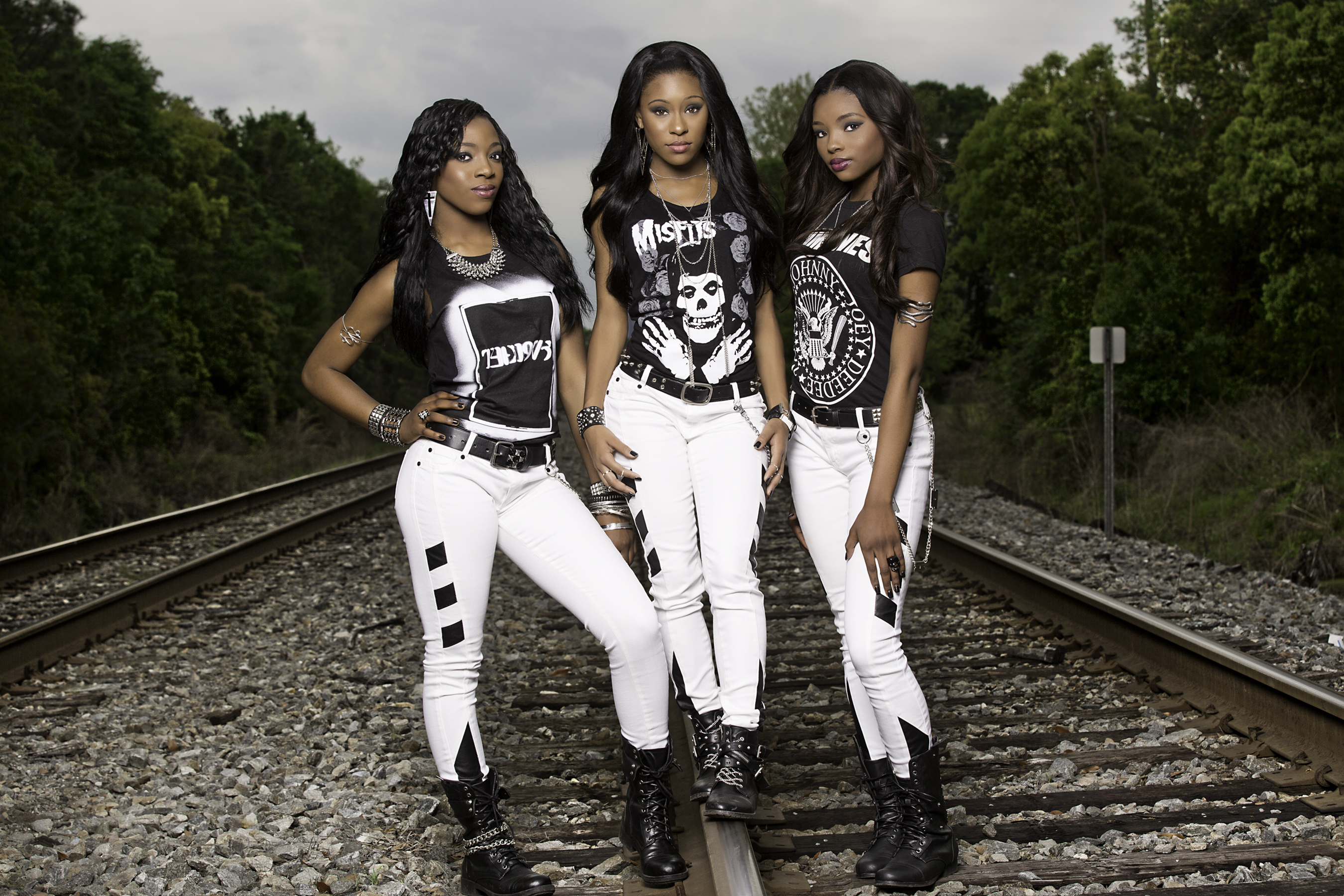
The fourth major version of GUDGUD featured Gracious, Krishelle and Aeriyal.
All three performers had previously served as backup dancers for the group. This gave them a unique advantage. Before becoming official members, they had already observed the group’s rehearsals, performances, victories and internal challenges.
They had seen what worked.
They had also seen what could damage a group from the inside.
By the time they stepped into the spotlight, Gracious, Krishelle and Aeriyal understood that becoming a member of GUDGUD involved more than learning songs and choreography. It required accountability, teamwork and a willingness to protect the chemistry of the group.
“Now it’s our turn, and we are going to make the best of it,” Aeriyal said.
That statement represented more than excitement about joining the group. It reflected an understanding that the new lineup had been given an opportunity to learn from the past rather than repeat it.
Performance and Career Development
With its renewed lineup, GUDGUD developed into an energetic progressive R&B act that could deliver a complete live performance.
The group performed throughout Florida and the Southeast, appearing on concert bills with artists including:
- Fantasia
- Tamar Braxton
- Chrisette Michele
- Mali Music
- Mindless Behavior
- OMG Girlz
- Diggy Simmons
- Future
- Anthony Lewis
- The New Boyz
- Doug E. Fresh
- Babyface
- Jacob Latimore
- Issa
These opportunities placed the group in professional environments where expectations were higher, schedules were tighter and audiences were less forgiving.
Performing alongside established artists allowed the members to observe how experienced entertainers conducted soundchecks, worked with production teams, prepared backstage and controlled an audience.
Every show became part of the development process.
Recording and Media Exposure
GUDGUD released two EPs and began developing a third project.
The group worked in the studio with producer Rey Reel, whose credits included Beyoncé, will.i.am, Britney Spears, Drake and Mariah Carey. The members also worked with Richard Johnson on songs including “Way 2 Much,” “GRLSJSTWNT2HVFN” and “Wrapped Around Your Finger.”
GUDGUD’s original music received mainstream radio airplay, helping the group expand beyond live performances and establish credibility as a recording act.
The members also appeared on News4JAX and made two appearances on Jacksonville’s First Coast News.
These media opportunities required the group to develop another important skill: representing the brand when they were not performing.
Interviews taught the members how to communicate their story, support one another in conversation and present a consistent public image.
Major Milestone: House of Blues
In April 2015, GUDGUD was selected from approximately 4,300 applicants to participate in the House of Blues’ Bringin’ Down the House showcase.
The group performed on the legendary House of Blues stage in Orlando, Florida.
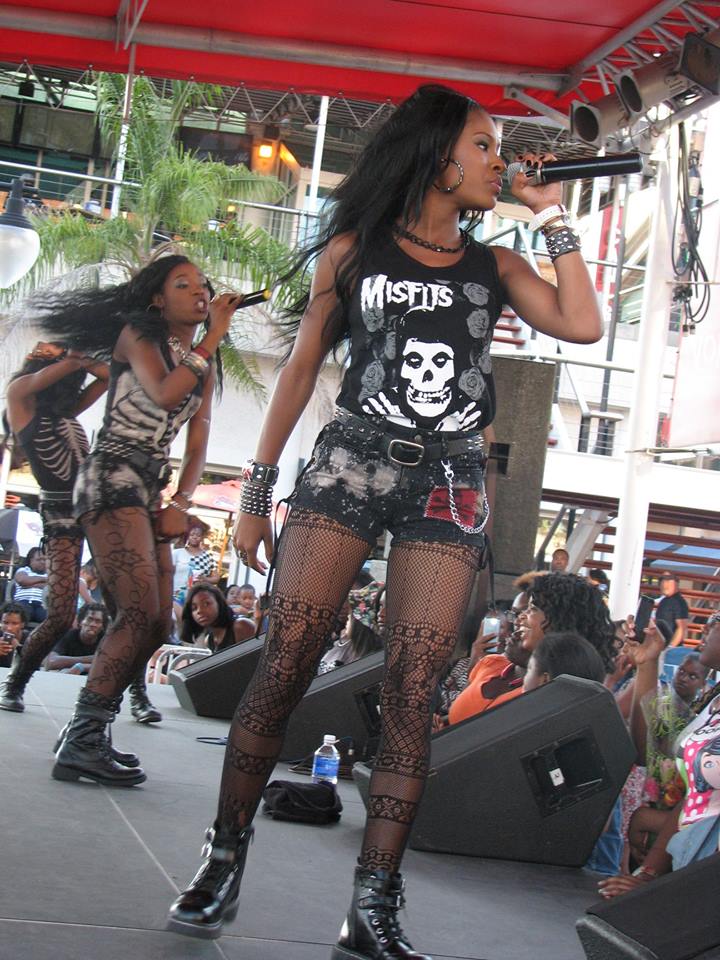
This selection represented a major validation of the development process. GUDGUD was no longer simply a promising local act. The group had competed against thousands of applicants and earned the opportunity to perform in a nationally recognized entertainment environment.
The milestone demonstrated what could happen when talent was supported by coaching, preparation, live experience and persistence.
Regional Expansion
GUDGUD continued to expand its reach beyond Jacksonville.
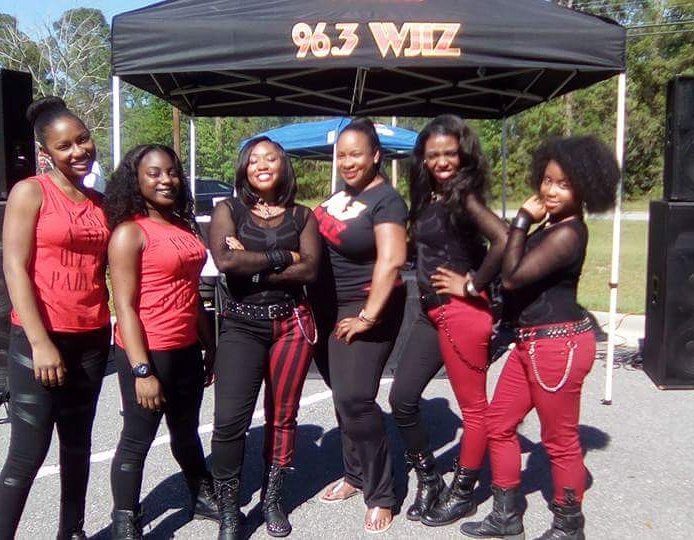
The group participated in radio events in Albany, Georgia, and traveled to Baltimore, Maryland, where it served as the featured performing act for Runway Liberia.
The group’s 2014 EP was also supported by touring opportunities connected to Mindless Behavior, exposing the members to larger audiences and the demands of performing outside their home market.
Traveling created new development challenges. Members had to learn how to remain focused while dealing with changing schedules, unfamiliar stages, travel fatigue and different audience expectations.
These experiences helped transform the group from young local performers into a more seasoned regional act.
Community Impact
Artist development was not limited to music and performance.

GUDGUD’s members were encouraged to recognize the influence they could have on other young people. The group spoke at schools, promoted positive messages and supported music and arts education through the I Love Music Foundation.
This community involvement helped the members understand that an artist’s platform can serve a larger purpose.
They were not only being trained to entertain. They were being taught to lead, communicate and represent something meaningful.
Final Release and Project Conclusion
In 2016, GUDGUD released its final single, “I Know What I Like.”
The release brought the group’s active chapter to a close after several years of development, recording, touring and performance experience.
Although GUDGUD did not continue as a permanent recording group, the project achieved far more than the original six-month experiment was designed to accomplish.
The group released original music, earned radio airplay, appeared on television, performed across multiple states and shared stages with some of the most recognizable names in R&B, hip-hop and popular music.
Most importantly, the members received firsthand experience in the realities of the music industry.
Key Results
Through the artist-development process, GUDGUD achieved the following:
- Released two EPs and multiple original songs
- Received mainstream radio airplay
- Performed throughout Florida and the Southeast
- Shared concert bills with nationally recognized artists
- Appeared on News4JAX and First Coast News
- Was selected from approximately 4,300 applicants for the House of Blues’ Bringin’ Down the House showcase
- Performed at the House of Blues in Orlando
- Participated in regional radio events
- Served as the featured musical act at Runway Liberia in Baltimore
- Developed experience in recording, touring, interviews and community outreach
- Supported music and arts education through the I Love Music Foundation
Lessons from the GUDGUD Development Process
Talent Is Not Enough
A group cannot be built on talent alone. Members must be compatible, dependable and committed to a shared goal.
Chemistry Must Be Developed and Protected
Chemistry is not always immediate. It can grow through communication, shared experiences and mutual respect. However, it can also be damaged when individual interests become more important than the group.
The Stage Reveals the Truth
A rehearsal room can hide weaknesses. A live audience exposes them.
Consistent performance opportunities allowed GUDGUD to identify problems that would not have been visible during rehearsals alone.
Lineup Changes Are Sometimes Necessary
Changing members can be difficult, but keeping the wrong lineup together can prevent everyone involved from reaching their potential.
The purpose of artist development is not to protect a particular lineup at all costs. It is to build the strongest possible act while helping each individual find the environment where they can succeed.
Backup Performers Can Become Featured Artists
Gracious, Krishelle and Aeriyal’s transition from backup dancers to group members demonstrated the importance of developing every person involved in a production.
The next featured artist may already be in the room, observing, learning and preparing for an opportunity.
Development Requires Patience
GUDGUD was rebuilt several times before the group found a lineup that could carry the project forward.
Meaningful artist development rarely happens quickly. It requires repetition, honest evaluation, difficult decisions and the willingness to continue after setbacks.
The Live Edge Perspective
The GUDGUD experience helped shape many of the principles behind Live Edge.
The project reinforced that successful artist development must go beyond vocal coaching, choreography or recording music. Artists need a complete development system that prepares them for the stage, the studio, the media and the business realities of working with other people.
Live Edge uses these lessons to help today’s artists develop stronger shows, better professional habits and a clearer understanding of who they are as performers.
GUDGUD’s journey also proves that success should not be measured only by fame or record sales.
Success can also be measured by growth, experience, resilience and the ability to walk away from a project better prepared for the next opportunity.
Legacy and Future Possibilities
There remains hope that GUDGUD may reunite for one final single and performance.
Such a reunion would provide an opportunity to celebrate the music, recognize the people who contributed to the journey and demonstrate how the members have grown since their time in the group.
Whether or not that reunion happens, GUDGUD remains an important chapter in the history of Live Edge.
What began as a six-month experiment became a multiyear lesson in chemistry, performance, professionalism and perseverance.
GUDGUD was not simply a group that was assembled.
It was a group that had to be built, evaluated, broken down and rebuilt—and that process is the true work of artist development.